
AAT Level 3 Apprenticeship Assistant Accountant


Start at any time
Godmanchester (Cambridgeshire) or via online, distance learning
15-18 months
Classroom lessons or online learning options
 Disability Confident Committed EmployerMatrix Standard - Demonstrating the provision of quality Information, Advice and GuidanceAccredited by the Association of Accounting Technicians (AAT)Dedicated learning support team
This apprenticeship incorporates the AAT Level 3 Diploma in Accounting, the intermediate level of the internationally recognised AAT qualification. If you have completed the AAT Level 2 Certificate in Accounting or Bookkeeping. or have a solid foundation in manual double-entry bookkeeping, this is the ideal course for you.
Respected by employers worldwide, AAT accounting courses can significantly enhance your employability and pave the way for a successful career in accounting and finance. As a student member of the AAT, you’ll also gain access to their invaluable resources, forums, networking opportunities, and practice assessments.
Working in accountancy requires good communication skills, information technology (IT) skills and an understanding of the business environment, as well as an understanding of daily finance/accounting functions. The purpose of the AAT qualification is to ensure that students are well rounded and prepared to progress into a career in business, finance or professional accountancy, or onto higher education.
This apprenticeship consists of the knowledge, skills and behaviours required by someone in an assistant accounting role to develop the required finance skills and enhanced professional status. As part of this apprenticeship, you will undertake the AAT Level 3 Diploma in Accounting and undertake the following units:
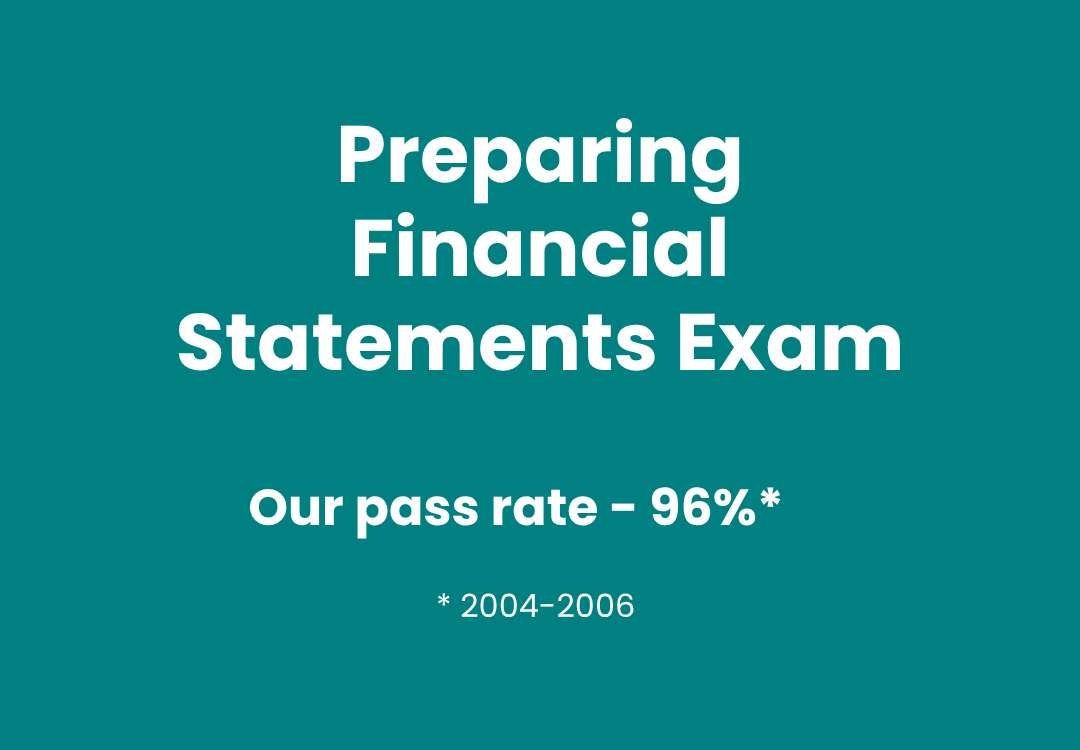
Financial Accounting: Preparing Financial Statements
This unit provides you with the skills required to produce statements of profit or loss and statements of financial position for sole traders and partnerships using a trial balance. In employment, you may be required to prepare a portion of, or all, the final accounts and this unit will give you the theoretical knowledge needed to complete that task. It will also allow you to understand how final accounts have been produced, either manually or automatically through use of accounting software.
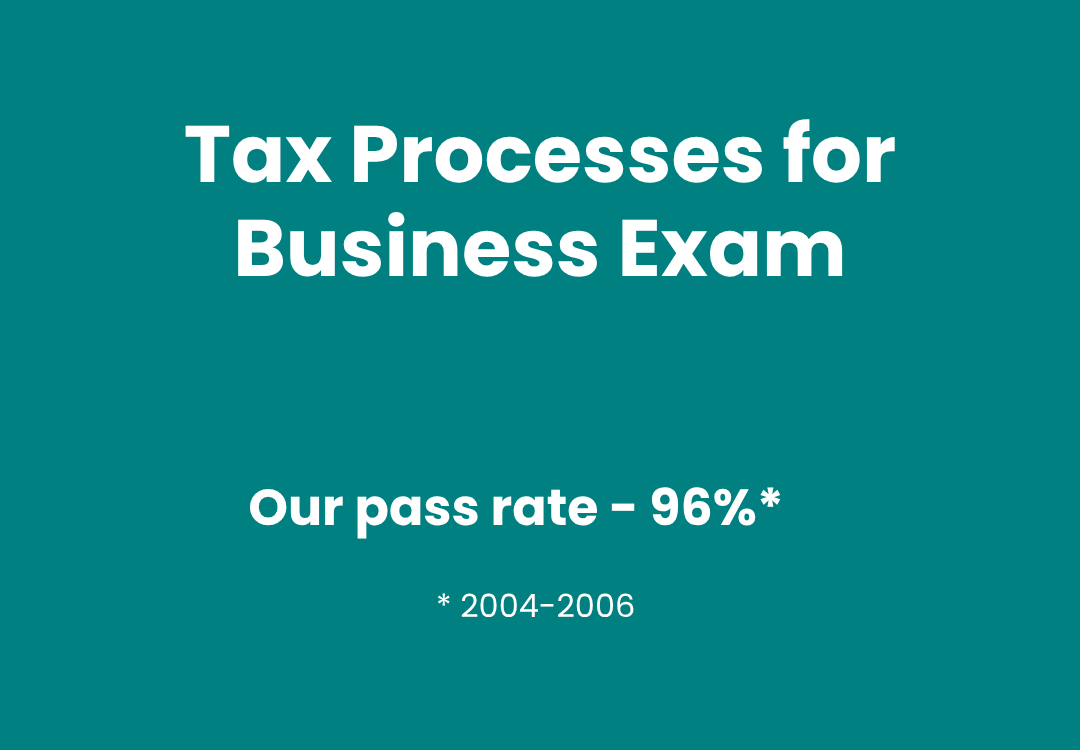
Tax Processes for Businesses
This unit explores tax processes that influence the daily operations of businesses and is designed to develop your skills in understanding, preparing, and submitting Value Added Tax (VAT) returns to HM Revenue and Customs (HMRC). The unit provides the knowledge and skills that are needed to keep businesses, employers and clients compliant with laws and practices that apply to VAT and payroll. You will learn about legislation and the importance of maintaining your technical knowledge through monitoring updates. For VAT, you will understand the registration and deregistration rules, including signing up for Making Tax Digital (MTD), and the rules relating to specialist VAT schemes. You will be able to recognise different types of supplies and calculate VAT correctly, understanding the importance of the rules relating to the recovery of input VAT and the sanctions and penalties for inaccuracies, omissions and failure to make submissions and payments within the correct timescales.
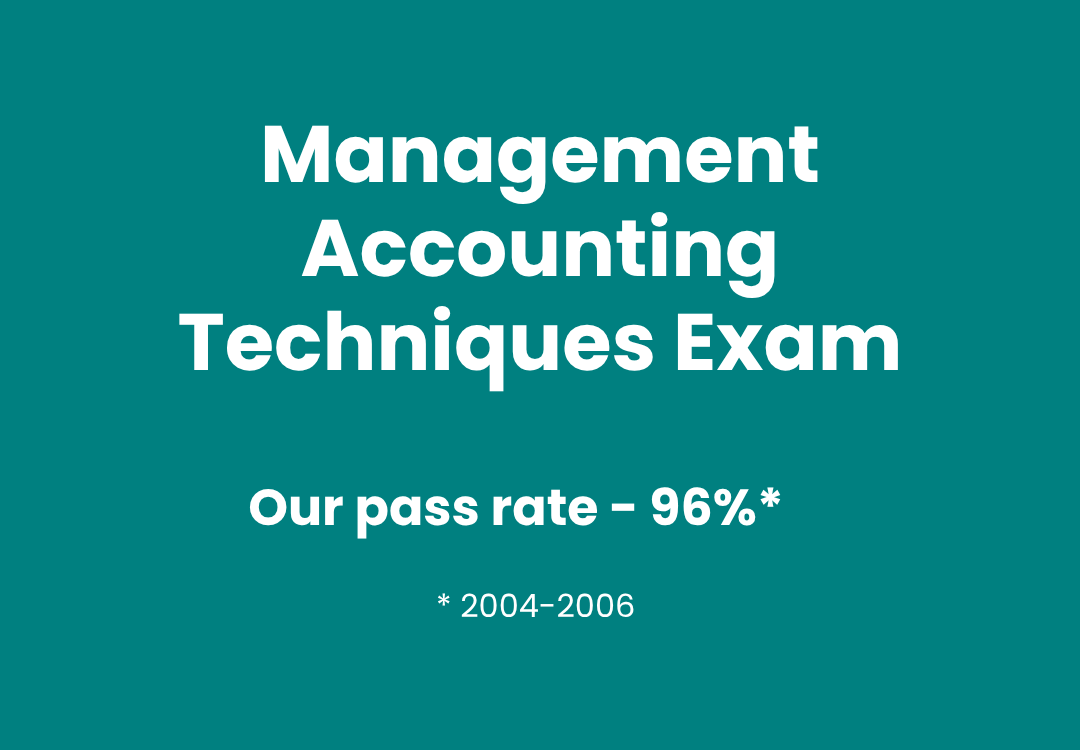
Management Accounting Techniques
This unit provides the knowledge and skills needed to understand the role of management accounting in an organisation, and how organisations use such information to aid decision making. You will learn the principles that underpin management accounting methodology and techniques, how costs are handled in organisations, and why organisations treat costs in different ways. You will be able to recognise different approaches to management accounting and provide informed and reasoned judgements to guide management. You will also learn how to apply these principles and appreciate why effective management accounting is crucial to any organisation.
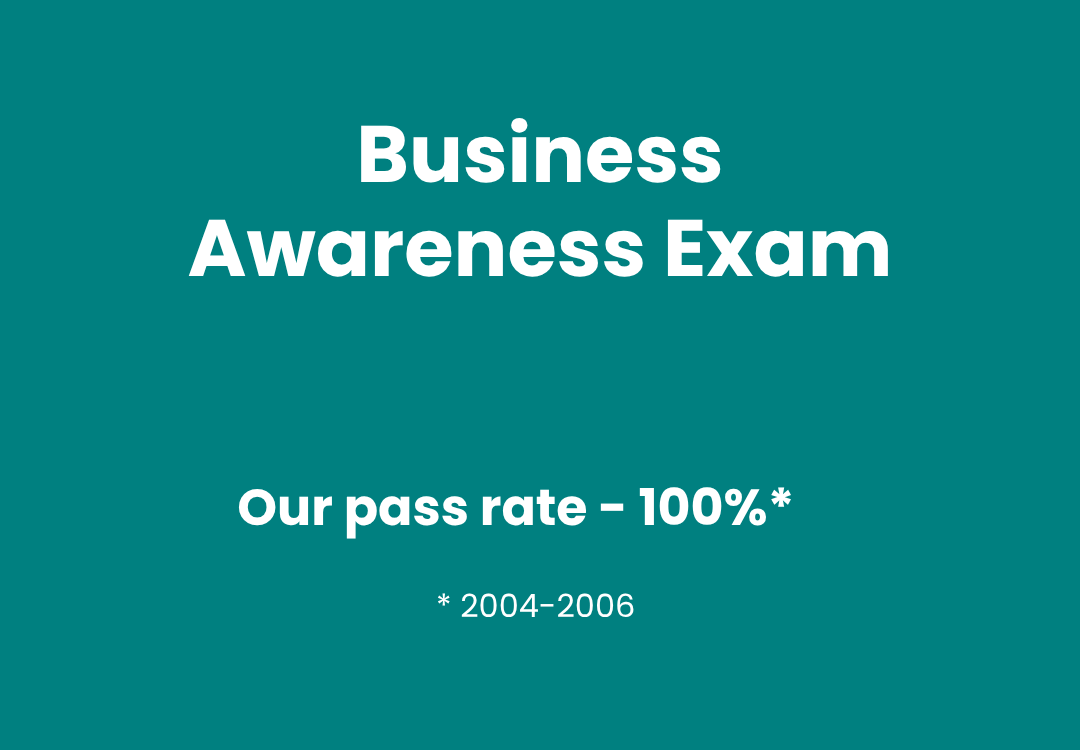
Business Awareness
This unit provides an understanding of the business, its environment and the influence that this has on an organisation’s structure, the role of its accounting function and its performance. You will explore the purposes and types of businesses that exist, and the rights and responsibilities of key stakeholders. You will learn what the micro- and macro-economic environments are and the impact and influence that changes in these environments can have on performance and decisions. This will include an understanding of the basic business law relating to the preparation of financial statements for different types of entities. You will learn about the concepts of risk, types of risk and risk management for a business.
Functional Skills
Apprentices under 19 years of age will be required to undertake Functional Skills Level 2 in English and Maths unless exempt.
Off-The-Job Training Hours
You will undertake a minimum of six hours a week of off-the-job training hours, this is learning that takes place during your normal working hours. These could comprise of college lessons, working through online course materials, time spent revising for exams etc.
Online learning
For those studying via online, distance learning (rather than classroom attendance), you will work through online course materials in your own time. You will be allocated a personal tutor who will support you through the programme. You will meet with your tutor via Microsoft Teams every fortnight to discuss your study plan, help you stay on track and provide any additional support as needed. Between these times you are able to email and call your tutor if you have any questions.
Your End Point Assessment will consist of:
You will also undertake computer-based AAT exams. As we are an AAT accredited exam centre, these exams can be taken at college without the need to travel to an external exam centre.
Classroom Attendance
Classroom lessons are held at our training centre in Godmanchester, just outside of Huntingdon in Cambridgeshire. You will attend college each week during term time on a Thursday from 9:15am-1pm. Apprentices are also able to stay for the afternoon for tutor supported study time to contribute towards their off-the-job training hours.
Online learning
Our online, distance learning courses can be started at any time. You will work through your online course materials at a time that is convenient to you and be supported by a personal tutor.
There are no formal entry requirements, however you should have a good basic level of maths and English, and be competent in manual double-entry bookkeeping. Ideally you will have achieved the AAT Level 2 Certificate in Accounting or AAT Level 2 Certificate in Bookkeeping qualifications. You should also be living and working in England in a suitable finance role.
International qualifications
Students with foreign qualifications are required to have their certificates translated using a UK ENIC Statement to confirm if they have previously achieved Level 2 English and Level 2 maths for their apprenticeship. If a student has not previously achieved this, they will need to complete Functional Skills English and/or maths as part of their apprenticeship. More information about how to apply, how it works and prices can be found on the UK ENIC’s website here.
Additional Information
As our courses include online learning components, students are required to have access to a PC or laptop with a reliable internet connection.
Apprenticeship course fees are payable by the employer. Fees are dependent upon the size of the organisation you are employed in.
Course fees for Growth and Skills (Apprenticeship) Levy Paying Employers
(organisations with an annual pay bill of more than £3 million)
These employers will pay the full apprenticeship amount of £12,000 using their digital account.
Course fees for Non-Levy Paying Employers
(organisations with an annual pay bill of less than £3 million)
These employers will pay 5% (£600 in one payment) towards the cost of the apprenticeship using their digital account.
Please note that apprenticeship fees are fully funded (free) for those aged 16-24 years, working in a non-levy paying organisation.
Awarding Body Fees
The End Point Assessment (EPA) fee is included, however, if a student needs to re-sit an exam, re-sit fees will be payable. In addition, payment for AAT membership, exam fees (approximately £472) and textbooks will also be required.
General Advice
These are current figures and may be subject to change. The differences in course fees reflect the level of funding that is available as a result of government policies and priorities. These may be as a result of age, employment status, previous education achievements, or location for example, and are outside the control of CAW Business School (The College of Animal Welfare).
If you have not achieved your qualification by the planned end date detailed in your individual learning plan, your employer will be able to pay monthly direct debit payments to allow you to continue to receive support and access to your course until certification of your award.
On completion of the level 3 AAT apprenticeship, you can apply for the AAT Level 4 Apprenticeship Professional Accounting Technician or the AAT Level 4 Diploma in Professional Accounting programme.

Danielle Chelley undertook her AAT qualifications with us, starting with the level 2. She is now undertaking a three year secondment abroad before beginning her plans to become ACCA qualified using her AAT qualifications for exemptions from some of the units.
 Half day release or online learning options
 AAT exam centre
 Small class sizes
 Free onsite parking
Yes, you must be employed in a finance role, and be living and working in England, to undertake this apprenticeship. If you are not, then you may wish to look at undertaking the AAT Level 3 Diploma in Accounting course.
There’s no need to wait, you can start at any time.
Once you are enrolled and ready to start you will work through the online course materials in your own time. You will be allocated a tutor as a point of contact to support you through the course.
Your tutor will help you set a study plan for each unit and meet with you in Microsoft Teams fortnightly to ensure you stay on track and provide any extra support as needed.
Unfortunately not, apprenticeships must be paid for by the employer. It is also important that your employer is supportive of you undertaking the apprenticeship as they would have to allow you a minimum of six hours a week of off-the-job training. You could consider undertaking the AAT Level 3 Diploma in Accounting in your own time if you wish.
Off-the-job (OTJ) training hours are mandatory, paid learning hours for apprentices that take place during normal working hours to help them to gain new skills and knowledge outside of their normal daily work duties. This could be undertaking college lessons, working through online course materials, webinars, time spent on assignments or revising etc. Each apprentice has to undertake a minimum of six OTJ hours per week (this may be pro rata for part time employees).
At the current time, you would need to find your own employment in a finance role to begin this apprenticeship. We are sometimes asked by employers to help them to recruit an apprentice; any apprenticeship vacancies we know about will be advertised on our Apprenticeship Vacancies webpage – you can also sign up to receive new apprenticeship job alerts via this page.
Create an account and start your application today.
Enter your details to download the full course brochure. We'll email you with information about the course.
You can unsubscribe at any time. We respect your privacy and handle your data with care. Please see our privacy policy.
This site uses cookies and HTML5 local storage, to help improve our service to you.
Click 'Accept' to continue with these settings or 'Read more' to amend your local data preferences.