

How to Recognise Bullying and What to Do About It (Anti Bullying Week 2026)
Posted: 16 November 2026 at 7:00 am | Author: CAW Business School
Everyone deserves to feel respected and comfortable at home, college, at work and while completing a placement. Unfortunately, bullying can happen in any environment, and it isn’t always immediately obvious when behaviour has crossed the line.
This Anti-Bullying Week, taking place from 16th-20th November 2026, is a good opportunity to think about how we treat the people around us, how to recognise inappropriate behaviour and what you can do if you or someone else is experiencing bullying.
Whether you’re studying in college, learning online, working alongside your course or completing a placement, here’s what you need to know.
What can bullying look like?
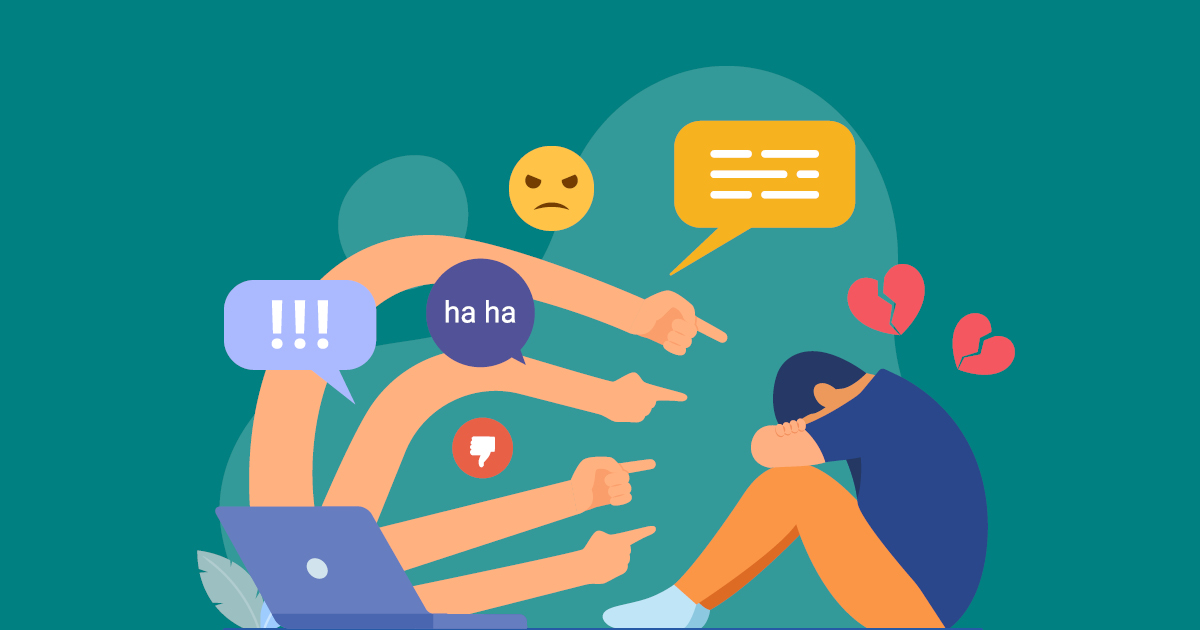
Bullying is the deliberate and repeated harming of an individual or group by another person or group, where there is an imbalance of power. It can take many forms, including physical, verbal or psychological behaviour, and can happen in person or online.
Examples might include repeatedly making jokes or comments at someone’s expense, deliberately excluding someone, spreading rumours, intimidating or threatening behaviour, or persistently putting someone down or undermining them.
Bullying may relate to someone’s appearance, background, abilities or another personal characteristic, but it doesn’t have to. What matters is recognising behaviour that is intended to hurt, intimidate, humiliate or exclude another person.
Read more about what bullying is here.
Bullying or a disagreement?
Not every disagreement or difficult interaction is bullying. When you’re studying or working alongside other people, there will inevitably be occasions when you have different opinions, misunderstand each other or don’t get along.
Bullying is generally different because the behaviour is repeated or targeted and can involve an imbalance of power.
That doesn’t mean you should ignore a one-off incident that makes you feel uncomfortable. If you’re concerned about someone’s behaviour towards you, it’s OK to speak to someone about it.
What about online bullying?
A lot of communication between students and colleagues now happens online, which means bullying isn’t necessarily limited to what happens in the classroom or workplace.
Online bullying could include sending abusive or deliberately hurtful messages, sharing embarrassing content about someone, spreading rumours, excluding someone from an online group or repeatedly targeting them in group chats or on social media.
Remember that the way we communicate online matters too. Something written as a joke may not feel that way to the person receiving it, particularly when tone can easily be misunderstood in a message.
What if bullying happens at work or on placement?
If you’re employed or completing a placement as part of your course, you may sometimes find yourself working alongside people who have considerably more experience or responsibility than you.
Constructive feedback, being corrected when you make a mistake and being expected to follow workplace procedures are all normal parts of learning. However, repeatedly humiliating, intimidating, excluding or deliberately undermining someone is different.
Being new to a workplace doesn’t mean you should have to accept bullying or inappropriate behaviour. If something doesn’t feel right, reach out for support.
What should you do if you’re being bullied?
If you’re experiencing bullying, try not to retaliate or get drawn into an argument. Where possible, keep a record of what’s happening, including dates, what was said or done and anyone else who witnessed it. If the behaviour is happening online, keeping copies or screenshots of relevant messages may also be useful.
Most importantly, talk to someone you trust. Depending on where the bullying is taking place, this could be your tutor, head of course, manager, placement supervisor or another appropriate member of staff. Speaking up can feel difficult, but you don’t need to deal with the situation by yourself.
What if you see someone else being bullied?
You don’t have to be the person experiencing bullying to do something about it.
If you see behaviour that concerns you, consider checking in privately with the person afterwards. Simply asking if they’re OK can help them feel less alone.
Avoid joining in, laughing along or sharing inappropriate messages or content. Where appropriate, you can also report what you’ve witnessed to a member of staff.
You don’t need to put yourself in an uncomfortable or unsafe situation by confronting someone directly. There are other ways to support somebody and help make sure concerns are taken seriously.
Ask for support
If bullying or another situation is affecting your wellbeing or your studies, support is available.
At The College of Animal Welfare, you can speak to your tutor if you have concerns or need advice. Students can also access up to six free, confidential counselling sessions, Togetherall’s 24/7 online mental health and wellbeing service, and health and wellbeing resources through the Living Well area of the VLE.
You can find out more about the support available on our wellbeing page.
Creating a respectful environment
Anti-Bullying Week isn’t only about recognising bullying when it happens. It’s also an opportunity for all of us to think about how our own behaviour affects the people around us. Small actions can help create a more positive environment – whether that’s including someone in a conversation, thinking before making a joke at somebody else’s expense, listening when someone raises a concern or simply treating people with respect.
College, work and placements should be environments where people can learn, develop and ask questions without feeling intimidated or excluded. By looking out for one another and speaking up when something isn’t right, we can all play a part in creating environments where everyone feels respected and able to learn.